Skip to Content

Newsletter

All previous editions of the Clear Language Club newsletter in one neat and tidy archive.

33 posts

Posts tagged with Newsletter

27. Ask good questions Newsletter

Trauma-informed design, good user research questions, unconscious bias, how to name a service, and content design at Scope.

Lower half is a crowd of people in a large room, many of which have their hand in the air as if asking a question. Top half is a large dark wall with a shaft of light coming in.
Photo by Edwin Andrade / Unsplash

This is the first edition of the Plain English Weekly newsletter sent in 2025. I hope you've got off to a good start, despite... everything.

I would have sent this sooner but I decided to write a review of my 2024 that got a bit out of hand. It's mostly a rundown of the content projects I worked on throughout the year with a sprinkling of thoughts on freelancing.

Oh, I also updated my freelance website too, almost entirely to avoid paying another £150 to Squarespace. It's a one-pager, but I quite like it.

No more waffling. Enjoy the links below.

Iain


Trauma informed design

I heartily recommend you listen to this episode of the Accessible Numbers podcast from Laura Parker. It features a chat with content designers and trauma-informed content specialists, Jane McFadyen and Rachel Edwards.

I think I have mentioned it before, but I have spent the last few months working on a project where trauma-informed design is essential. It's been very challenging but also hugely rewarding and I have learned an awful lot in the process.

This conversation is a brilliant introduction to the idea and principles of designing content for people who have experienced trauma. And to be honest, it's a great listen no matter who you typically design content for.


Asking good user research interview questions

This is a very concise and therefore rather handy guide on how to ask good research questions from The National Council for Voluntary Organisations (NCVO):

Don’t just ask people what they want. Instead ask why they want it. That has much more value. Even better is asking about past behaviour. Behaviour is more reliable than predictions or views and opinions.

There is also a similar guide to planning user research.


Dealing with unconscious bias

You know what, I'm going to go ahead and share this piece on unconscious bias too, which is also from NCVO:

Unconscious bias is also known as ‘implicit bias’. It's the social stereotypes we have about people who are different to us. For instance because of their race, gender, cultural background, body shape, sexual orientation and class or because they are disabled. It’s one of the biggest obstacles we face when creating digital content, software and services.

Naming your service

Along with some content colleagues, I am currently doing everything in my power to make sure we do not use the word 'portal' or 'hub' or anything similar to describe the service we are building. In the public sector world, this is largely a solved problem! Just follow these guidelines in the GOV.UK service manual.


How the team do content at...Scope

I've linked to lots of great pieces and guidance from Scope in this newsletter. Stephanie Coulshed leads the content design team and this (written) interview with Lauren Pope is full of fascinating insights. I too am a fan of the simple Kanban board for managing and working on content!


"Thinking about support and advice content specifically, I would hope to see more research into people’s information needs and the context in which they are searching for content. Content should be about what people need to know, not what we want to tell them!"
Stephanie Coulshed, Scope

New reader?

Join a growing community of 950+ plain language champs and start getting advice and resources that help you write clearer, more accessible content.

26. Say what you mean Newsletter

Accessible text, actionable language, Monzo's writing principles, a Trello template for planning content and a handy copy and paste tool.

White neon sign on a black background. Text says: 'Blah Blah Blah'
Photo by Nick Fewings / Unsplash

It's time for this year's final edition of the Plain English Weekly newsletter, which very much continues to be whisked your way by me, Iain Broome.

I have nothing deep and meaningful to say, apart from thanks for reading and clicking the links over the last 12 months. I've certainly perked up over the last part of 2024 and got back into a regular publishing schedule.

That's partly because there are so many of you subscribed (900+ people) and reading regularly now (60% open rate). But also because it genuinely warms my cockles to know that other people share my enthusiasm for plain English, clear language or whatever else you want to call it.

I do have plans to expand the website in 2025 and try new stuff. But for now, enjoy the links below and have your very best holiday period ever.

One thousand festive high fives,

Iain

🔖
Plain English Club Bookmarks
Don't forget, you can search and get thoroughly lost in our very own directory of bookmarks. All tagged and placed in sensible topics, you can find every link I've ever shared in the newsletter (and more!).

A beginner's guide to accessible text

This is one of many useful articles I just discovered on the Pope Tech blog:

Visual users consume most web content by reading text. Poorly formatted text can make it hard for anyone, but especially users with a visual or cognitive disability, to read and understand the content.

You might think some of the information is pretty basic, but I'll bet you've found yourself in heated chit chats with people (probably senior people) on these topics before. So this is a good place to send them to when the time comes round again.


Actionable language

This page on actionable language comes to you your straight from Shopify's content guidelines. One of the principles of clear language is to give instructions. To be clear and say what you mean. To help people do what they need to do. This page is full of examples that show you how to do just that.


Monzo tone of voice and writing principles

You might have seen Monzo's writing principles before, but I quite like them because they show it's possible to be clear and have a strong tone of voice. They also effectively a list of plain English principles if you read closely.


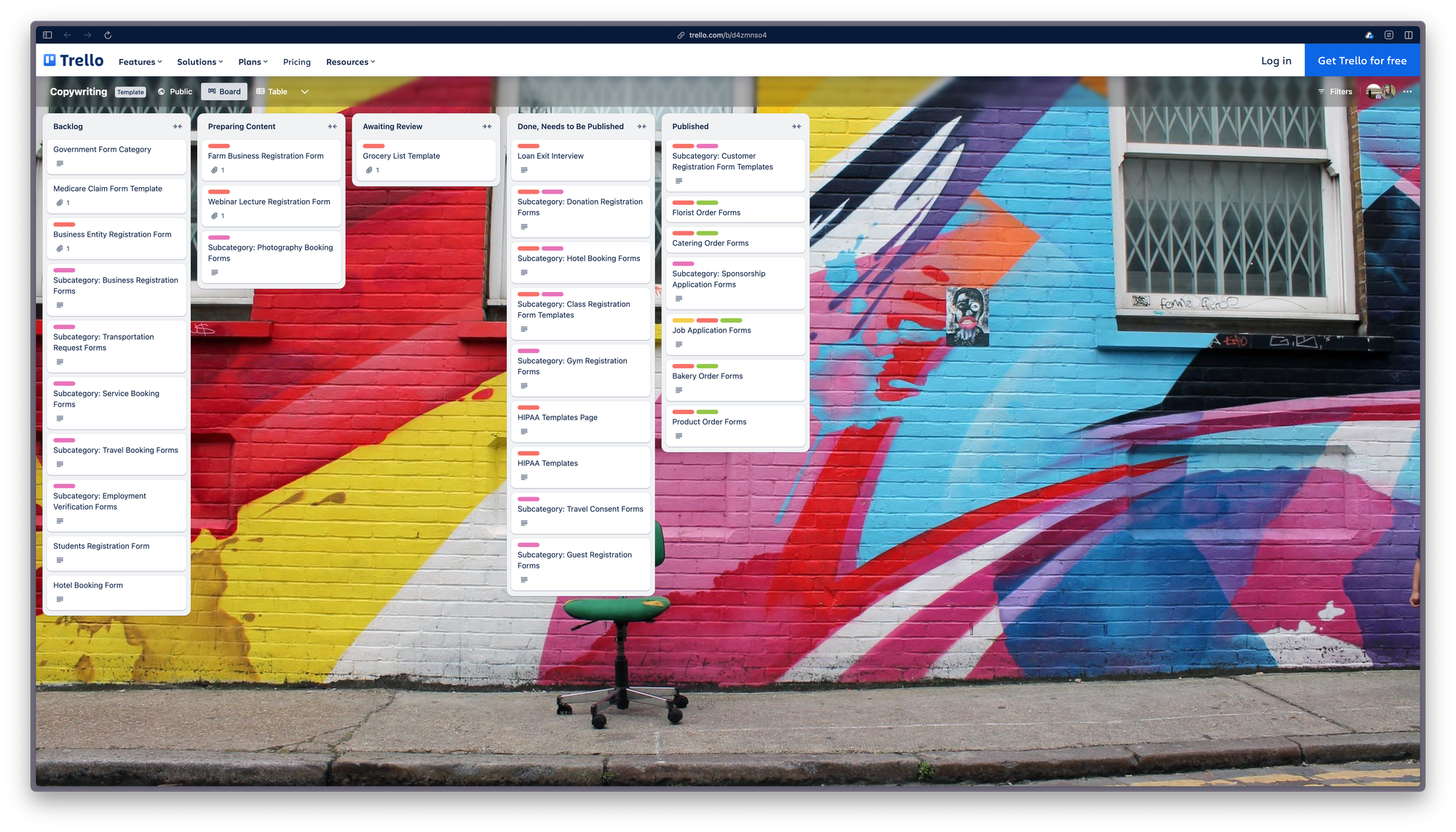
Screenshot of Trello, a task management app. There are five columns: Backlog, Preparing content, Awaiting Review, Done and need to be published, and Published. Each column has different cards that describe tasks that need to be completed.
Simple Trello template to help you manage content

Trello template for planning your content project

I still use Trello to organise projects and content and whatever else I happen to be working on. It's more bloated than it needs to be, but it does still do the things that you need to organise your bits and bobs. This template is very similar to the one I tend to use and is pretty good for getting started.


Pastebot – a super copy and paste tool

Do you do a lot of copy and pasting? Have you ever used a clipboard manager before? Well, I am here to tell you that your life is about to be changed. Pastebot is my app of choice and I use it constantly.

It does a few things, but the most important is it remembers more than one thing you copied, including images and any formatting if you want it.

Here is the guff:

If copy and paste is a part of your workflow, Pastebot is an indispensable tool to improve your productivity. Quickly recall clippings that you have copied before and apply powerful text filters to format before pasting. Queue up multiple clippings to paste in sequence. Pastebot is always running and only a keyboard shortcut away to command copy & paste.

And if you do not use a Mac, Zapier has a list of what it reckons to be the 5 best clipboard managers in 2024, which covers various platforms.


"There’s a funny thing that happens to our writing when we're giving bad news, or talking about processes. We slip into what’s called the ‘passive' voice, which basically means we don’t say who’s responsible for something. We use the passive voice partly because we're unconsciously distancing ourselves from the message. But that's not fair for the reader, and what they need always comes first."
Monzo's writing principles

New reader?

Join a growing community of 900+ plain language champs and start getting advice and resources that help you write clearer, more accessible content.

25. Power and meaning Newsletter

An inclusive design guide, accessible fonts, measuring content with analytics, better Apple Notes, and the power and meaning of words.

25. Power and meaning
Photo by Jess Bailey / Unsplash

It's only another edition of the Plain English Weekly newsletter arriving in your inbox having literally just been sent by me, Iain Broome.

I don't know about you, but with Christmas now apparently right there in front of us, things are busy, busy, busy. So I won't keep you long, except to say that I hope to run a first Plain English Club webinar early in the new year. Look out for, and I'm not proud about putting it like this, more deets soon.

That's it. Enjoy the links below.

Iain


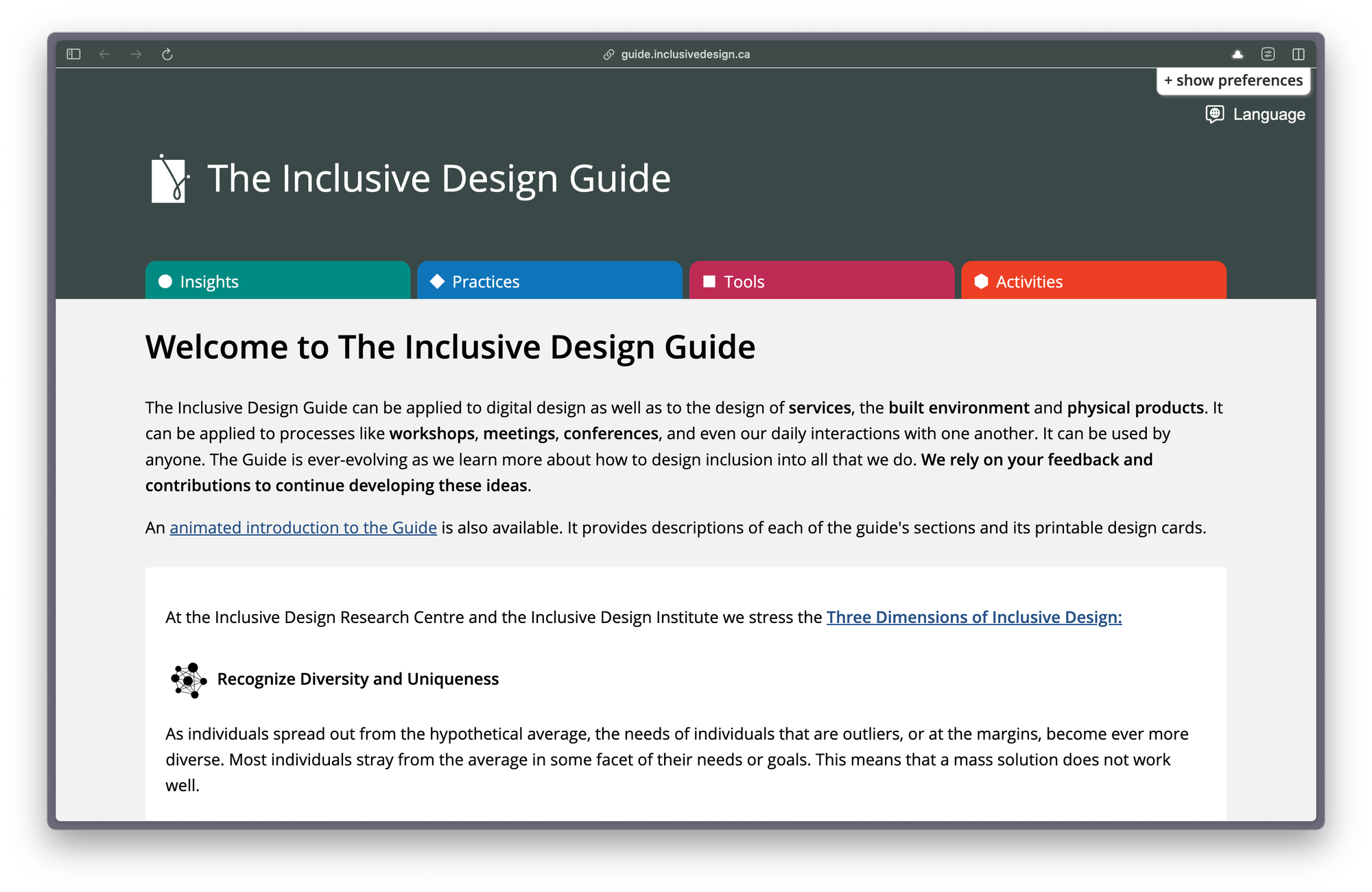
Screenshot of the landing page for The Inclusive Design Guide. There are four horizontal tabs as menu navigation: Insights, Practices, Tools, and Activities. Below them is an introductory paragraph that explains what the guide is about.
Landing page for The Inclusive Design Guide

The Inclusive Design Guide

Lots of wonderful stuff for you to get your teeth into here:

The Inclusive Design Guide can be applied to digital design as well as to the design of services, the built environment and physical products. It can be applied to processes like workshops, meetings, conferences, and even our daily interactions with one another. It can be used by anyone.

By the way, I found this via an excellent collection of accessible design resources put together by Chris Nasrawi.


What makes a good, accessible, easy to read font?

Interesting stuff on accessible fonts from Lizzie Bruce:

When looking for the best fonts for reading, you'll want to consider both legibility and availability. The ideal fonts are not just the easiest fonts to read on web pages but also the fonts available to most of the audience.

On words as worn-out coins

I like this short blog post on words by the Tiny Content team, Nia Campbell and Adrián Ortega. It reminds me of a question I always annoy people with: "What do you really mean?"

Using clear language often forces stakeholder types to properly think about what their policy or paper is saying. Because words are important. They have power and meaning, which is something often forgotten.


Find where your service content isn’t working using web analytics

Super new post by Jack Garfinkel on the Content Design London blog:

When you start measuring the pattern of traffic, you can find pain points and fix them. And the good thing is this method works for 3 pages or for 3,000 pages. 

This is great if you have never tried to measure your web traffic before, but it also provides some useful practical steps for using Google Analytics. As does this page on Google Analytics for content design by none other than the New Zealand government's digital team.


0:00
/0:14

ProNotes formatting bar in action

ProNotes – an extension that adds useful features to Apple Notes

Forgive me for this link, as it really isn't anything at all to do with clear language or content design. But if you use Apple Notes, this one is for you.

ProNotes is a tiny app or extension that adds a few excellent features to Apple Notes, including:

  • a formatting bar
  • being able to write in Markdown
  • slash commands (think Notion or Google Docs)

I've been using ProNotes for a while and I'm not sure I could go back. Oh, and it also happens to be free. Lovely.


"Through words, we create visions of the future, potential realities, and alternative possibilities. But this same language that brings us together and connects us also shapes, and sometimes limits, how we understand the world. Words influence how we think and perceive - and our thinking and experiences, in turn, shape the words we choose."
Tidy Content

New reader?

Join a growing community of 900+ plain language champs and start getting advice and resources that help you write clearer, more accessible content.
24. Paper on walls Newsletter

Accessibility posters, alternative text, a new book on trauma-informed content and an introduction to Frieda Fishmonster.

Grid of six posters showing the dos and don'ts of designing for users with accessibility needs
Posters showing the dos and don'ts of designing for users with accessibility needs

I'm as surprised as anyone, but this in fact another edition of the Plain English Weekly newsletter and yes it is me, Iain Broome, pressing the buttons.

I'm not going to do this every week (promise), but more and more content people are joining Bluesky, so here are the two links I shared last time again.

That's it. Enjoy the goodies below.

Iain


Accessibility posters

I've become a poster enthusiast. Seriously. I helped make some simple design principle posters earlier this year and have been amazed by how useful and well received they have been. Paper on walls. It's the future.

Anyway, you should know about these accessibility posters (pictured above) that you can download from GOV.UK, which include:

General guidance on how to design more accessible services. The guidance covers best design practices for users from these areas: low vision, D/deaf and hard of hearing, dyslexia, motor disabilities, users on the autistic spectrum and users of screen readers.

I'm linking to the HTML version here, but you can also download the posters as a PDF that you can print out and display wherever it will have the most impact. The information is short, clear and extremely important.

I found these posters via this 2016 piece on the dos and don'ts of designing for accessibility.


Designed with Care: Creating trauma-informed content

I'm currently working on a high-profile, extremely sensitive project where trauma-informed content is essential. I feel like I have learned more in the last few months than in my previous 20+ years of being a content person.

And so imagine how pleased I was to find out Rachel Edwards has put together a book on this very subject. I ordered my copy straight away and I'm looking forward to digging in, absorbing it all and comparing notes.

If you are new to the idea of trauma-informed content, I can recommend watching Rachel's Content Folks talk. I've shared it before, but it is well worth 30 minutes of your time.


Co-op's guidance on writing alternative text

A short and simple page that explains the basics of alternative text alongside some examples that are easy to understand. Feel free to explore the rest of the Co-op content guidelines while you're there. It's great.


Inclusion and accessibility for our new website

This blog post is from UK disability charity, Scope and was posted in 2019, so quite mature now in internet years. But to me, it reads like a concise description of how all charities should approach a website redesign.


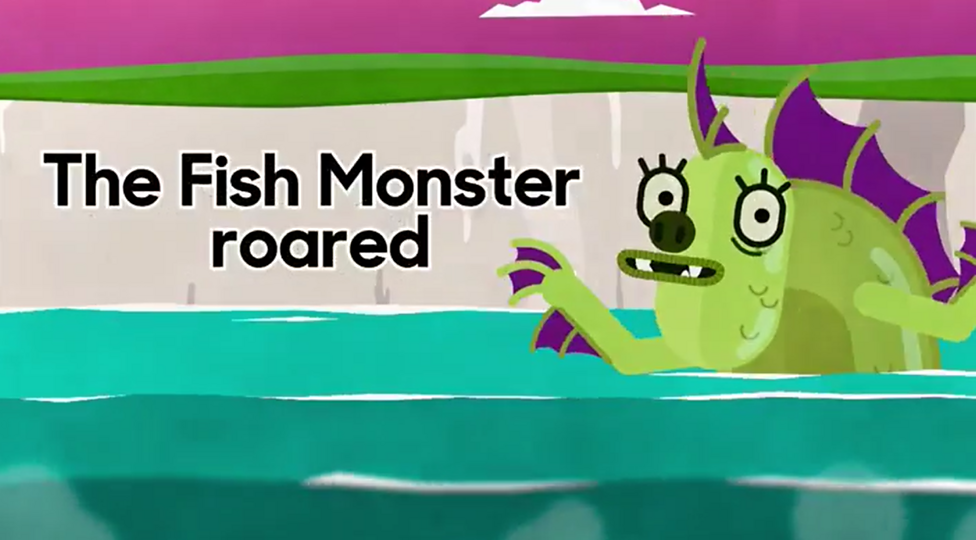
Cartoon illustration the shows a splendid sea monster appearing out of a teal-coloured sea. It has green scales, purple fins and the most gorgeous eyelashes. Behind it is a cliff beneath an ominous maroon sky that contains a single cloud. The words 'The Fish Monster Roared' are displayed on the cliff walls.
Frieda Fishmonster, described here in the active voice

What is a passive verb?

Finally this week, I take you back into the BBC Bitesize archive for you to meet Frieda Fishmonster. I'm not saying you have to complete these activities as a way or testing your plain English skills, but would it hurt? I won't tell anyone.


"Two million people in the UK have a learning impairment, like dyslexia, that affects their ability to absorb and digest information. So making the website easy and intuitive to use, written in clear plain English, was vital. A mantra emerged of 'great usability leads to great accessibility'."
Scope

New reader?

Join a growing community of almost 900 plain language champs and start getting advice and resources that help you write clearer, more accessible content.

23. Bluesky linking Newsletter

Accessible PowerPoint presentations, inclusive design resources, plain language guidelines, information patterns and naming conventions.

23. Bluesky linking
Photo by Kumiko SHIMIZU / Unsplash

Here we go with another edition of the Plain English Weekly newsletter sent to you very much by me, Iain Broome.

Last week, I mentioned what seemed to be a noticeable increase in people using the social media app, Bluesky. Well, it really does seem to be taking off and I am pleased to report a growing community of content folks on there.

If you want to give it a go, you can:

And that's it. Enjoy the links below.

Iain


Inclusive design resources

Let's start with an absolutely super collection of "posts, articles, guides and podcasts about inclusive design" put together by interaction designer, Benjy Stanton. I also wandered upon his excellent guide to making accessible PowerPoint presentations, which then led me on to the guide below from the Welsh government. Get your bookmarking finger ready.


How to create accessible PowerPoint presentations

On Bluesky this week, I linked to this page from the Welsh government on making accessible PowerPoint presentations and it, as I hear they say, did numbers. Lots of likes. Lots of shares.

I suspect that's because it is full of practical tips like this:

To make a presentation more accessible to people with low vision, save it in an alternate format that can be read by a screen reader. Users can then open it on a personal device or port it to a Braille reader.

But I also imagine it resonated because so many of us put a quick deck together and likely do not think about accessibility at all. But we should! Even if it's an internal presentation for colleagues, we should aim for best practice and meeting the needs of all users.


Federal plain language guidelines

I'm not sure why I haven't linked to this most marvellous resource before, but it should go straight into your bookmarks:

These are the official guidelines for the Plain Writing Act of 2010. We developed these guidelines to help you and your agency write clearly, so your users can find what they need, understand what they find, and use what they find to meet their needs.

And I should say I got a gentle nudge about this page from forms expert, Caroline Jarrett of Effortmark. Caroline also shared lots of other brill links that I am going to add to Bookmarks too. Go check out the Effortmark blog!


Information patterns and narrative structures in content

Another ace article by Lauren Pope here:

In this guide, we’ll explore 10 patterns for structuring your content to maximise understanding, engagement, and effectiveness. There’s also a matrix to help you choose the right structure based on your specific content objectives. 

I've linked to a few of Lauren's pieces now, which means she has an official tag in Bookmarks. Those tags are quite a nifty way to explore the directory by the way.


How to respect international naming conventions and design inclusively

Interesting post from June Caldwell via Sparck on how countries and cultures have different naming structures. It comes with a handy list of practical tips for designing more inclusive name fields in your forms.


"Word choice is an important part of communicating clearly. While there is generally no problem with being expressive, most federal writing has no place for literary flair. People do not curl up in front of the fire with a federal regulation to have a relaxing read."
Federal plain language guidelines

New reader?

Join a growing community of 850+ plain language champs and start getting advice and resources that help you write clearer, more accessible content.
22. Seriously bad chats Newsletter

How people read, writing inclusive and accessible letters and emails, and a dyslexia-friendly style guide.

Screenshot of an article called How people read on Content Design London's Readability Guidelines

Here's another edition of Plain English not-so-Weekly plucked from a gap in time and sent right to your inbox. I'm Iain Broome, in case you've forgotten.

Forgive me once more for being so tardy with these emails. It has been a very busy few months indeed. I do still have lots of lovely plans for this newsletter and its associated content. Promise!

Have you noticed lots of people who work in content and user-centred design moving from Twitter to Bluesky this week? Seems like it could be an exciting development. You can follow me on Bluesky if you are there too.

That's it. Hope you are magical. Don't forget your bookmarks.

Iain


How people read

An excellent thing to point to when you are having seriously bad chats with people who want to make things more complicated:

People come to your site to use it not visit it. They're there to do a task, or get information to help them do a task offline. Even if their task is to gain knowledge, they want to find and add it to their personal information bank, their brain, as quickly as possible. They'd download it directly if they could.

This is from the ace Readability Guidelines by the way.


How Do I Ensure My Letters and Emails are Inclusive and Accessible?

I've spent more time in the last few months writing letters than I have my entire previous 43 years. It's tricky, I tell you. But this advice from Historic England, of all places, is very useful.


Dyslexia-friendly style guide

Super handy style guide from the British Dyslexia Association, which includes nuggets like this:

Use sans serif fonts, such as Arial and Comic Sans, as letters can appear less crowded. Alternatives include Verdana, Tahoma, Century Gothic, Trebuchet, Calibri, Open Sans.

See also the Dyslexie font, designed specifically for people with Dyslexia.


How to write hyperlink text for better web accessibility

If you ever see a colleague, or dare I even say friend, writing 'click here' links, please send them to this page from Scope immediately. I wouldn't be against you giving them a mild ticking off, to be honest.

In short, people want to know where they’re going if they click a link.​ The text you use in hyperlinks should tell them.

I published something similar about writing good hyperlinks many years ago.


Do not use "reading age" when thinking about adults

It is so common to talk about reading age and yet it seems so obviously the wrong thing to do. This post from Caroline Jarrett at Effortmark explains why:

Do not use “reading age” when thinking about adults. It’s not helpful, and it fails to acknowledge the life experience of people with reading difficulties.

You should also take a look at Caroline's post from way back in 2010 on writing for people who do not read easily.


"How you write an email or a letter often depends on the audience. As a general rule, you should aim to make your correspondence as easy to read as possible, not least because people usually have many emails or letters to get through."
Historic England

New reader?

Join a growing community of 800+ plain language champs and start getting advice and resources that help you write clearer, more accessible content.